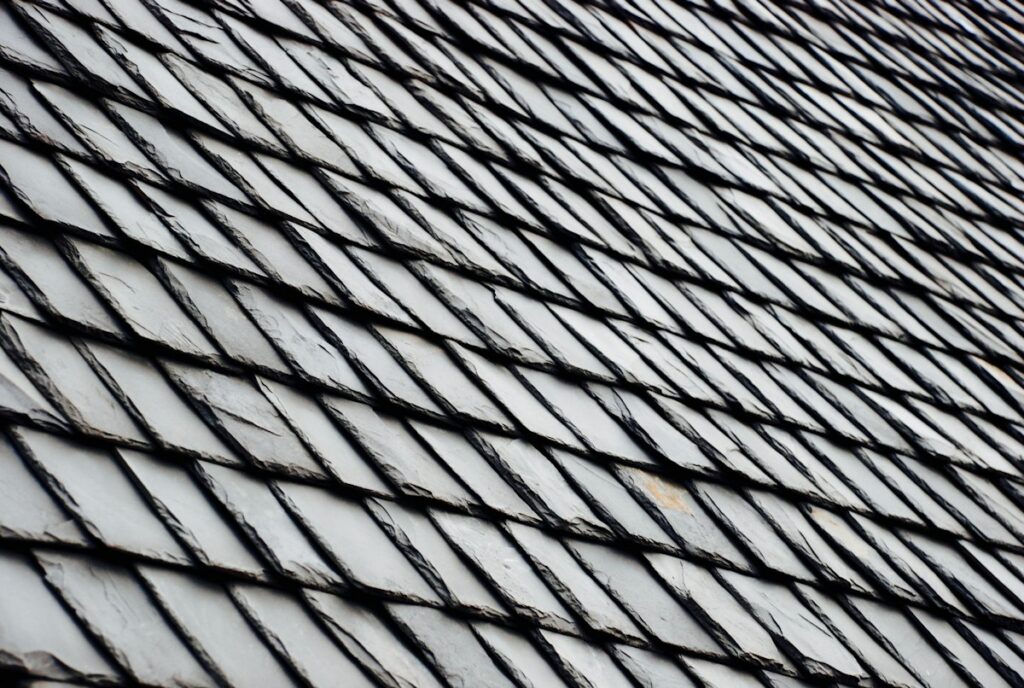
A typical asphalt shingle roof lasts 15 to 30 years, depending on the type of shingle installed. Basic 3-tab shingles last 15–20 years, architectural (dimensional) shingles last 25–30 years, and premium or luxury shingles can reach 25–40 years or more under ideal conditions. The exact asphalt shingle roof lifespan your home gets comes down to more than the shingle itself: climate, attic ventilation, installation quality, and how well the roof is maintained all move the number up or down by years.
Below we break down lifespan by shingle type, the factors that shorten or extend a roof’s life, the warning signs that replacement is near, and the maintenance habits that get the most years out of your investment.
Asphalt Shingle Lifespan by Type
Not all asphalt shingles are built the same. Thicker mats and more asphalt weight translate directly into more years of service. Here is the realistic field lifespan for each tier, based on manufacturer data and contractor field reports:
| Shingle Type | Typical Lifespan | Typical Warranty | Installed Cost (per sq ft) |
|---|---|---|---|
| 3-Tab | 15–20 years | 20–25 years | $3.50–$5.50 |
| Architectural (Dimensional) | 25–30 years | 30 years to lifetime | $5.00–$8.50 |
| Luxury / Designer | 25–40 years | Lifetime (often 50+ years) | $8.50–$14.00 |
3-Tab Shingles: 15–20 Years
3-tab shingles are the thin, flat, single-layer option with cutouts that make each strip look like three separate pieces. They are the least expensive asphalt shingle and the shortest-lived. Most 3-tab shingles are rated for 60–70 mph winds and carry a 20–25 year warranty, but in the field they realistically deliver 15–20 years — less in hot or hail-prone climates. Major manufacturers have largely phased out 3-tab lines since 2021 in favor of architectural products, and many contractors no longer recommend them for owner-occupied homes.
Architectural (Dimensional) Shingles: 25–30 Years
Architectural shingles are two layers of asphalt fused together, which creates the depth and shadow lines that resemble slate or wood shake. That extra thickness gives them better wind resistance — typically 110–130 mph — and a longer service life. They are the most common residential choice today, and they hit the best balance of cost, durability, and appearance. In a moderate climate with good ventilation, a quality architectural shingle such as GAF Timberline HDZ, Owens Corning Duration, or CertainTeed Landmark can push past 30 years.
Luxury / Designer Shingles: 25–40 Years
Luxury or designer shingles use thicker mat construction and more asphalt weight per square. They are the premium tier, designed to imitate natural slate or cedar shake, and they carry lifetime warranties. Real-world lifespan runs 25–40 years, with premium lines in ideal conditions approaching 50. The higher upfront cost is justified by the longer service life and stronger curb appeal, but the underlying chemistry differs only modestly from a mid-tier architectural product — the visual differentiation is often the more durable feature.
Note that warranties are not the same as lifespan. A “30-year” or “lifetime” warranty covers manufacturer defects and prorates after roughly the first decade. It does not guarantee the shingle will physically last that long on your specific roof, and it is voided by poor installation or inadequate ventilation. For a full breakdown of what you can expect to pay, see our asphalt shingle roof cost guide.
Factors That Shorten or Extend an Asphalt Shingle Roof’s Life
Two identical roofs installed in the same year can age at very different rates. These are the variables that decide whether a roof reaches the top of its range or fails a decade early.
Attic Ventilation
Ventilation is the single biggest lifespan factor under a homeowner’s control. Without balanced intake (soffit vents) and exhaust (ridge or gable vents), heat builds up in the attic — often reaching 150–170°F on summer days. That heat bakes shingles from underneath, drying out the asphalt and accelerating granule loss. Poor ventilation can cut 5–10 years off a roof’s life, or roughly 20–30% of its expected lifespan. Building code calls for at least 1 square foot of net free ventilation per 300 square feet of attic floor, split evenly between intake and exhaust. Most manufacturers require code-compliant ventilation for the warranty to apply at all.
Climate and UV Exposure
UV radiation is the primary aging mechanism for asphalt. As asphalt oxidizes under sunlight it becomes brittle, sheds granules faster, and loses flexibility. Roofs in hot, high-UV regions such as Phoenix, Las Vegas, and Tucson typically age 15–25% faster than the same shingle in a mild climate. Freeze-thaw cycling is the second major stressor: every time a wet shingle’s surface crosses freezing, ice crystals weaken the asphalt binder, so climates with frequent freeze-thaw cycles age shingles faster. Hail and high winds are different — they are single events that can knock 10–20 years off a roof in one storm.
Installation Quality
A rushed installation is one of the fastest ways to lose five or more years of roof life. Common errors include nails driven too high (above the nail line), too few nails, missing starter strips along the eaves, and improperly overlapped flashing around chimneys and valleys. These mistakes let wind-driven rain reach the deck within the first few years. Field data suggests installation defects account for a large share of premature roof failures on homes under ten years old. The shingle itself matters less than who puts it on and how.
Roof Pitch and Orientation
Asphalt shingles are designed for roofs with a pitch of at least 2:12 (2 inches of rise per 12 inches of run). On lower slopes, water drains slowly and the risk of moisture working under the shingles rises; most manufacturers void warranties below their minimum pitch. Orientation matters too: a south- or west-facing slope that bakes in direct afternoon sun ages faster than a shaded north slope, while a slope that never dries out invites moss and granule erosion. Dark shingle colors absorb more solar heat than light ones — enough that light-colored or cool-roof rated shingles can outlast dark shingles by roughly 3–7 years in hot climates.
Maintenance (or Lack of It)
Deferred maintenance compounds quickly. Clogged gutters let water back up under the eaves and rot fascia and decking. Debris in valleys traps moisture against shingle edges. A single missing shingle left through a season can let water in and turn a couple-hundred-dollar repair into a full decking replacement. Annual inspections and prompt minor repairs are among the cheapest ways to add years to a roof. See our roof repair vs. replacement guide for how to decide which route makes sense when damage does appear.
Signs Your Asphalt Shingle Roof Is Nearing the End
Age alone is not a reliable trigger. Two roofs the same age can be in very different condition. Watch for these indicators, which tend to appear together as a roof enters its last few years of service:
- Curling or cupping shingles. Edges turning upward (cupping) or centers lifting (clawing) mean the shingle has lost flexibility — often a symptom of attic heat baking the asphalt from below.
- Granule loss. Sand-like granules accumulating in gutters or at downspout bases signal the shingles are shedding their protective ceramic coating. Some granule loss is normal in the first month; persistent loss after year one means advanced UV degradation. Bald spots where granules are gone entirely leave the asphalt exposed and vulnerable.
- Leaks and water stains. Stains on interior ceilings or walls, or moisture in the attic, mean the shingles are no longer shedding water. Recurring leaks despite repairs are a strong signal the roof has reached the end of its useful life.
- Sagging roof deck. A visibly sagging or uneven roof surface indicates structural weakening from long-term moisture — not a repairable shingle problem.
- Moss and algae. Black streaks are usually airborne algae and are largely cosmetic, though they can raise surface temperature and speed granule loss. Moss is the real problem: it holds moisture against the shingle, lifts edges, and can rot the deck beneath within a few years if it covers a large area.
- Age. If the roof is at or beyond the typical 15–30 year range for its shingle type, it is worth a professional inspection even if it looks fine from the ground.
Any one of the first three signs is worth an inspection. Two or more together usually means it is time to budget for replacement.
Maintenance Tips to Extend Your Roof’s Life
Most of the levers that extend a roof’s life are set at installation — choosing the right shingle and confirming balanced ventilation. What remains is consistent, low-cost upkeep:
- Inspect twice a year. Walk the perimeter or use binoculars each spring and fall, and after any severe hail or wind event. Look for cracked, curling, or missing shingles.
- Clean gutters every spring and late fall. Flowing gutters keep water moving off the roof instead of backing up under the eaves. This one habit can add 3–5 years.
- Trim overhanging branches. Keep limbs at least 6 feet from the roof surface to reduce debris, shade-driven moss growth, and physical scuffs.
- Treat moss and algae early. Zinc or copper strips near the ridge release trace metal with each rain to suppress regrowth. Never pressure-wash shingles — it strips the granules.
- Repair minor damage within 30 days. A missing or cracked shingle is a small, inexpensive fix now and a much larger problem after a winter of freeze-thaw cycling.
- Check attic airflow. On a hot summer afternoon, the attic should feel close to outdoor temperature. If it is noticeably hotter, have ventilation evaluated.
When to Replace Your Asphalt Shingle Roof
The short answer: replace when the roof has reached the end of its expected lifespan, or when it shows two or more of the warning signs above. Minor localized damage on a roof with five or more years of life left is usually worth repairing — a repair averages around $950 to $1,100. But widespread granule loss, curling across large sections, recurring leaks, or sagging decking mean patching is throwing money at a failing system.
On cost, a full asphalt shingle roof replacement in 2026 averages roughly $10,000 to $10,500 nationally, with most homeowners paying between about $5,800 and $13,100 depending on roof size, pitch, and shingle quality. Replacing proactively — a few years before failure — avoids the emergency premium and the water damage that comes with waiting. See our roof repair vs. replacement guide for help deciding which path fits your roof.
FAQ
How long does an asphalt shingle roof really last?
Realistic field lifespan is 15–20 years for 3-tab shingles, 25–30 years for architectural shingles, and 25–40 years for luxury or designer shingles. Those ranges assume proper installation, adequate attic ventilation, and reasonable maintenance. Poor ventilation or a harsh climate can pull years off each number.
Is a “lifetime” shingle warranty the same as lifespan?
No. A lifetime or 50-year warranty covers manufacturer defects and prorates after roughly the first decade. It does not guarantee the shingle will physically last that long, and it is voided by poor installation or inadequate ventilation. Treat the warranty as defect coverage, not a lifespan promise.
What shortens an asphalt roof’s life the most?
Poor attic ventilation is the biggest controllable factor — trapped heat can bake shingles from below and cut 5–10 years off the roof. Installation quality is a close second, followed by UV exposure in hot climates and deferred maintenance such as clogged gutters and unrepaired damage.
How do I know if my roof needs replacing or just repair?
Repair minor, localized damage — a few missing or cracked shingles — if the roof has five or more years of life left. Replace when damage is widespread, granule loss is advanced, leaks recur despite repairs, the deck sags, or the roof is at or beyond the typical lifespan for its shingle type.
Can I extend the life of my existing asphalt roof?
Yes, within limits. Balanced attic ventilation, clean gutters, trimmed branches, prompt minor repairs, and moss or algae treatment can collectively add several years. But these habits cannot reverse granule loss or restore flexibility to shingles that have already aged past their useful life.
The Bottom Line
An asphalt shingle roof is a 15-to-30-year investment, and where your roof lands in that range is largely up to the choices made at installation and the upkeep that follows. A quality architectural shingle, installed correctly on a properly ventilated attic and maintained each year, will reliably reach 25–30 years. A thin 3-tab roof in a hot climate with a sealed-up attic can struggle to reach 15. The shingle matters, but ventilation, installation, and maintenance decide whether you get the full value from it. When the warning signs stack up, plan the replacement before the roof makes the decision for you.