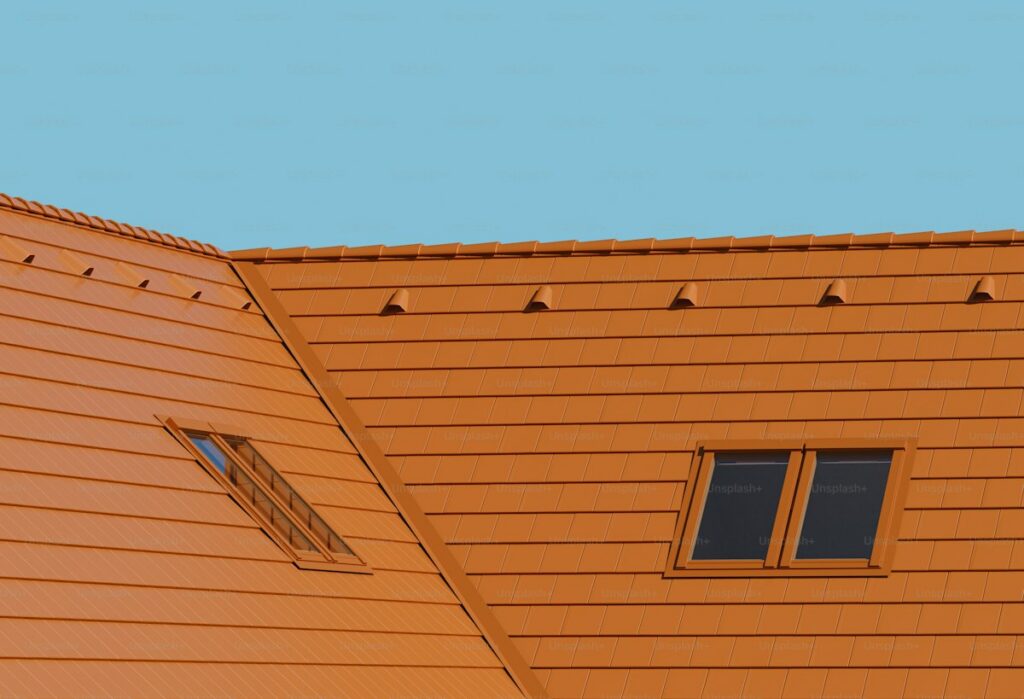
Replacing a roof is one of the most expensive — and most important — home improvements you’ll ever make. In 2026, most U.S. homeowners spend between $5,700 and $25,000 on a full roof replacement, with a national average around $9,600 to $11,500. Per square foot, that works out to roughly $4 to $11 installed, depending on what your roof is made of.
The exact number depends on three things above all else: your roof’s size, the material you choose, and where you live. This guide breaks the whole cost down — including the hidden fees most quotes don’t spell out — so you can budget realistically and avoid overpaying.
Roof Replacement Cost at a Glance
| Item | Typical Cost (2026) |
|---|---|
| National average (full replacement) | $9,600 – $11,500 |
| Typical range | $5,700 – $25,000 |
| Most common band | $8,000 – $16,000 |
| Cost per square foot (installed) | $4 – $11 |
| Cost per square (100 sq ft) | $450 – $1,300 |
| Labor (share of total) | 40% – 65% |
| Typical timeline | 1 – 3 days |
Figures are U.S. national averages for 2026. Your cost will vary by region, roof size, material, and complexity — always get multiple quotes.
Cost by Roofing Material
Material is where your budget lives or dies. The same house can cost ten times more with slate than with basic asphalt shingles. Here’s what each material costs installed in 2026:
| Material | Installed (per sq ft) | Typical total (2,000 sq ft) | Lifespan |
|---|---|---|---|
| 3-tab asphalt shingle | $3 – $7 | $5,800 – $11,000 | 15 – 20 years |
| Architectural asphalt shingle | $4 – $9.50 | $8,500 – $16,500 | 25 – 30 years |
| Metal (corrugated / ribbed) | $7 – $13 | $13,000 – $24,000 | 40 – 60 years |
| Standing seam metal | $10 – $18 | $20,000 – $40,000 | 50 – 70 years |
| Wood shakes / shingles | $6 – $15 | $15,000 – $30,000 | 25 – 40 years |
| Clay or concrete tile | $10 – $22 | $18,000 – $45,000 | 50+ years |
| Natural slate | $14 – $30 | $25,000 – $60,000+ | 75 – 100+ years |
| Synthetic | $5 – $12 | $10,000 – $24,000 | 25 – 50 years |
| Flat roof (TPO / EPDM) | $4 – $13 | $8,000 – $20,000 | 20 – 30 years |
Asphalt shingles cover roughly four out of five U.S. homes for one simple reason: they’re the cheapest material that still performs well. Architectural (dimensional) shingles are the sweet spot — they cost only a little more than flat 3-tab shingles but last a decade longer and resist wind far better.
Cost by Roof Size
Roof size scales almost linearly with price. One thing homeowners constantly miss: your roof area is larger than your home’s floor area — typically 10–20% more, and even more on steep or multi-story homes.
| Roof Size (sq ft) | Typical Cost (architectural asphalt) |
|---|---|
| 1,000 | $4,000 – $11,000 |
| 1,500 | $6,000 – $16,500 |
| 2,000 | $8,000 – $22,000 |
| 2,500 | $10,000 – $27,500 |
| 3,000 | $12,000 – $33,000 |
Assumes standard pitch and single-layer tear-off. Metal, tile, and slate run higher per square foot — see the material table above.
What’s Included in a Roof Replacement
A legitimate roof replacement quote is a stack of line items, not one lump number. Understanding each one is how you compare quotes fairly.
Materials (30–40% of the job)
Shingles or panels are the headline item, but you’re also paying for underlayment, starter strips, drip edge, flashing, ridge caps, vents, and fasteners. A quote that “forgets” underlayment or flashing is a red flag — those are the layers that keep water out.
Labor (40–65% of the job)
Crews typically charge $40–$90 per hour per worker. Labor is the single biggest line item and where regional cost differences hit hardest.
Tear-off and disposal
Removing the old roof costs extra — usually $50–$150 per square, or $1,000–$3,000 on a typical home. Beware the “roof-over” shortcut: installing over old shingles saves money now but hides damage and shortens the new roof’s life.
Permits
Most municipalities require a roofing permit, typically $150–$500. A professional contractor always includes this — if a quote leaves it out, it’s either an oversight or a sign of someone cutting corners.
Hidden Fees That Raise the Price
These are the costs that catch homeowners off guard once the old roof comes off:
- Decking repairs. If the plywood underneath is rotten or water-damaged, replacing it runs roughly $75–$140 per sheet — and you often won’t know until the shingles come up.
- Flashing replacement. Damaged or missing flashing around chimneys, valleys, and vents costs $200–$800 to replace.
- Ventilation upgrades. Adding or fixing ridge and soffit vents can add several hundred dollars but pays off in roof lifespan.
- Steep-pitch surcharge. Roofs with an 8/12 pitch or steeper, multiple valleys, dormers, or skylights add 20–30% or more in labor.
- Disposal of extra layers. If you have two existing layers, expect higher tear-off and hauling fees.
Factors That Move the Cost
Beyond material and size, these variables can swing your quote by thousands of dollars:
- Roof complexity. Steep pitches, many valleys, dormers, and skylights slow the crew down and add labor.
- Number of stories. Two-story roofs are slower and riskier to work on than a single-story ranch.
- Location. Labor and material prices vary widely — the same roof can cost 30% more in a high-cost metro than in a rural area.
- Season. Roofers are busiest in late spring and fall; off-season scheduling can save 10–15%.
- Brand and warranty. GAF, CertainTeed, and Owens Corning dominate, and premium warranty tiers carry a price premium.
Roof Replacement Cost vs. Value
A roof replacement isn’t just an expense — it’s one of the best-value projects you can do for resale. According to Remodeling Magazine’s Cost vs. Value report, a mid-range asphalt shingle replacement recoups roughly 61% of its cost at resale, consistently ranking among the top exterior renovations. Buyers see an old roof as an immediate $10,000+ negotiation point, so a new roof often pays for itself in a smoother sale.
How to Budget for a New Roof
- Get at least three written quotes. Prices for the same roof can vary by thousands between contractors.
- Ask for line items. Materials, labor, tear-off, permits, and disposal should each be separate so you can compare apples to apples.
- Check your insurance. If a storm caused the damage, your homeowner’s policy may cover part or all of the cost.
- Explore financing. Contractor financing, a HELOC, or a personal loan can spread a five-figure cost over time.
- Time it well. The off-season and early booking can shave 10–15% off the bill.
FAQ
How much does a roof replacement cost per square foot?
Most replacements land between $4 and $11 per square foot installed, with the national average around $7. Asphalt sits at the low end; metal, tile, and slate run higher.
How much is a new roof for a 2,000 sq ft home?
Expect roughly $8,000 to $22,000 depending on material. Architectural asphalt shingles typically run $8,500–$16,500, while standing seam metal can reach $20,000–$40,000.
Is it cheaper to repair or replace a roof?
Repair is cheaper for small, localized damage — typically under a few thousand dollars. If repairs exceed roughly 30–50% of replacement cost, or the roof is near the end of its lifespan, replacement is the better value.
How long does a roof replacement take?
Most asphalt roofs are replaced in one to three days, depending on size and complexity. Metal, tile, and slate can take longer.
Does insurance cover roof replacement?
Only if the damage was caused by a covered peril like a storm, hail, or falling tree. Normal wear and tear or age-related failure is generally not covered.
The Bottom Line
In 2026, a full roof replacement will cost most homeowners between $5,700 and $25,000, with the national average near $9,600–$11,500. Material and roof size are the two biggest levers, and the hidden fees — decking, flashing, and tear-off — are where quotes often diverge.
The best protection against overpaying is simple: get three written, line-item quotes, verify the square count, and confirm everything from underlayment to permits is spelled out. Do that, and you’ll know exactly what you’re paying for — and why.